Storytelling Icons: A Designer's Take on Iconic Embroidery
First Impressions: What Storytelling Icons Conveys
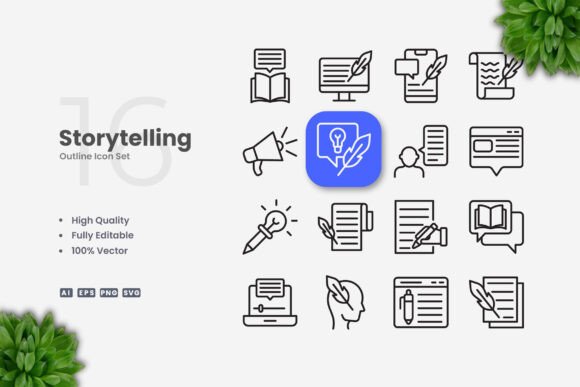
At first glance, Storytelling Icons feels like a breath of fresh air in the world of machine embroidery design. The simplicity and clean lines immediately suggest versatility—something that can easily transition from a digital graphic to a tangible embroidered patch or custom apparel piece.
The mood created by these icons is subtle yet expressive. They carry a sense of narrative without being too literal, which makes them ideal for projects that aim to communicate emotion or concept through visual storytelling. Their minimalist approach works well with both modern and traditional aesthetics, making them a good fit for handmade products, boutique branding, and even commercial embroidery applications.
Real-Life Scenario: Custom Embroidered Tote Bag
Imagine preparing a custom embroidered tote bag for a small shop’s holiday collection. You want something that feels personal but not overwhelming. Storytelling Icons could be the perfect choice here. A single icon—perhaps a heart or a tree—could add character without competing with the fabric or the bag’s overall design.
I tested it on a scrap piece of canvas fabric using a basic satin stitch. The result was crisp and clear, maintaining its visual integrity even when scaled up slightly. It didn’t feel cluttered, which is crucial for tote bags where the design needs to stand out but not overpower the product.
When I considered how customers might react, I thought about giftability. Would this icon resonate with their values or interests? In this case, the icon subtly suggested warmth and nature, which aligned well with the eco-friendly message of the shop. That kind of emotional connection is what makes an embroidered piece memorable.
Performance in Real Embroidery Projects
Storytelling Icons has shown promise across various embroidery applications. For instance, in sweatshirt embroidery, the design holds up well when stitched over a soft cotton fabric. The detail level is just right—not too intricate that it becomes lost in the fabric texture, nor too simple that it feels generic.
In custom apparel, especially baby clothes or caps, the icons work as small decorative accents. They don’t require high stitch density, which is great for minimizing wear and tear on delicate fabrics. Similarly, in embroidered patches, the design maintains clarity even when viewed from a distance, which is important for visibility on larger items like jackets or backpacks.
For holiday embroidery or nursery decor, the icons can be adapted with different thread colors to match seasonal themes. This flexibility helps maintain brand consistency while still feeling fresh and relevant.
Where to Use with Caution
While Storytelling Icons is versatile, there are certain situations where extra care is needed. On small hoop sizes, the details may get lost or distorted, so testing on scrap fabric is always recommended. When working with textured fabrics or thin fabric, a proper stabilizer becomes essential to ensure the design remains sharp and doesn’t stretch out of shape.
On dark fabric backgrounds, thread color contrast is key. I found that lighter thread colors worked best to make the icons pop, though this depends on the specific icon and the fabric used. Stretchy fabric also requires attention, as the stitching may shift during washing unless reinforced with a suitable backing.
If you're planning to use the icons on curved surfaces like caps or decorative accents on clothing, adjusting the design layout for curvature is necessary. Also, when creating printable mockups for Etsy sellers or craft businesses, checking how the icons look in black and white can help determine their adaptability across different color schemes.
Design Notes for Embroidery Professionals
As a designer, I always recommend starting with a test on scrap fabric. This allows you to check stitch density, thread color contrast, and whether the icon looks as intended after stitching. It’s also important to review the hoop size required for each icon and confirm that your machine can handle it.
Before finalizing any project, inspecting small details is crucial. Some icons have fine strokes that might become less visible if the stitch density is too low. Likewise, when using fill stitch or satin stitch, ensuring that the design doesn’t become too dense is key for long-lasting quality.
For commercial embroidery or digital embroidery files meant for resale, confirming licensing terms is essential. Always verify whether the icons can be used for personalized gifts or small shop products before selling finished items or design assets.
Finally, considering the handmade product aspect, Storytelling Icons adds a professional touch that elevates the presentation of any item—from embroidered pillow covers to apparel decorators looking for unique embellishments.
A Final Word on Value and Use
Storytelling Icons offers a practical solution for those seeking clean, adaptable, and emotionally resonant designs for their embroidery projects. Whether you're a hobbyist crafting personalized gifts or an Etsy seller looking to expand your product line, these icons provide a solid foundation for creative expression.
With thoughtful application and a few adjustments based on fabric type and project requirements, Storytelling Icons can enhance the visual appeal, stitching clarity, and overall value of your finished product. It’s a design asset that feels both professional and approachable—an excellent addition to any embroidery designer’s toolkit.